
3 hr
Cabo Pulmo Marine Park Snorkeling Adventure
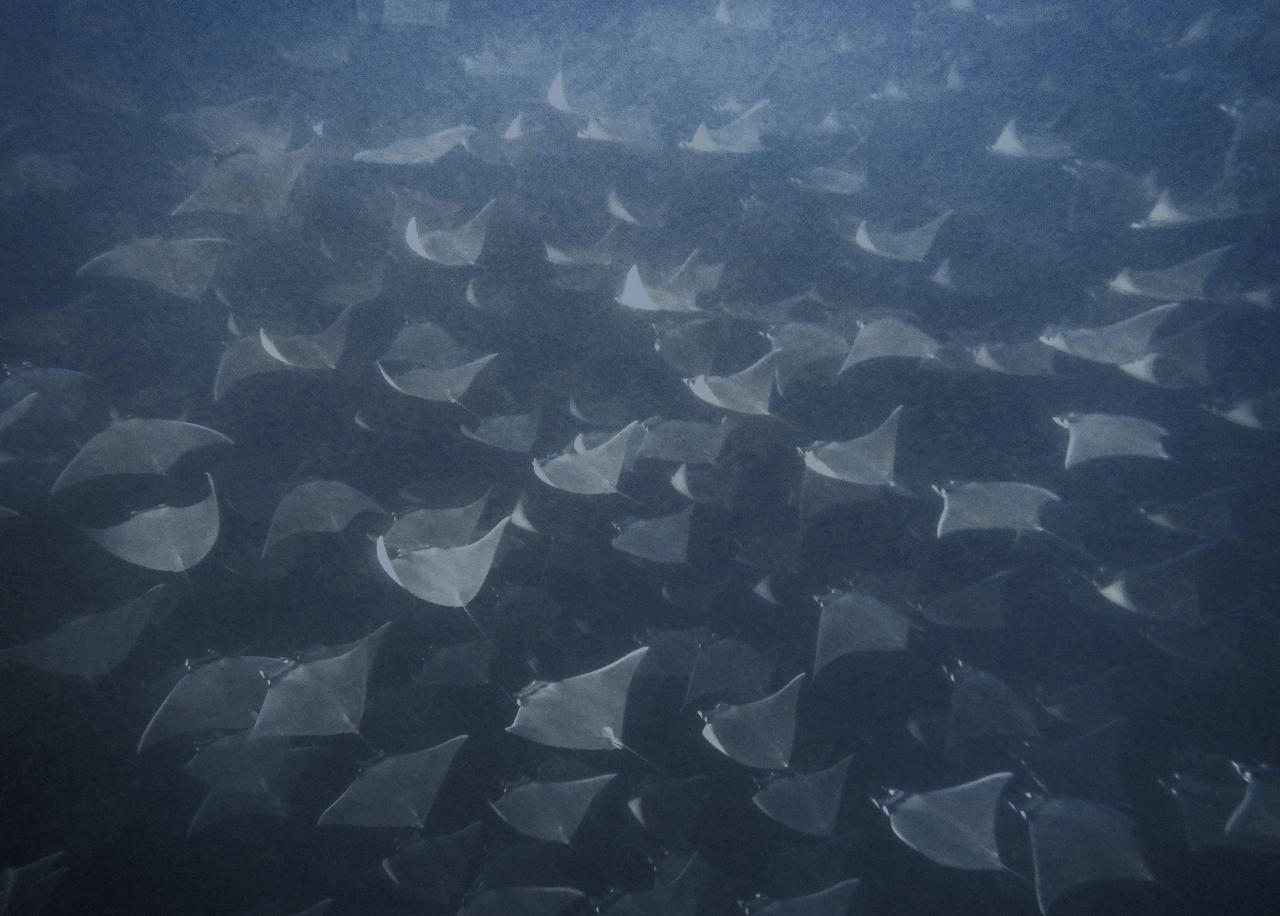
Dive into the Sea of Cortez and swim alongside sea turtles, rays, and vibrant tropical fish in a protected marine sanctuary
Reserve
Hand-picked by our editors — only the best 5 expeditions from 23 reviewed
Verified partners for every tour, free cancellation where available, and instant confirmation on every booking.
3 hr
Dive into the Sea of Cortez and swim alongside sea turtles, rays, and vibrant tropical fish in a protected marine sanctuary
Reserve
8 hr 30 min
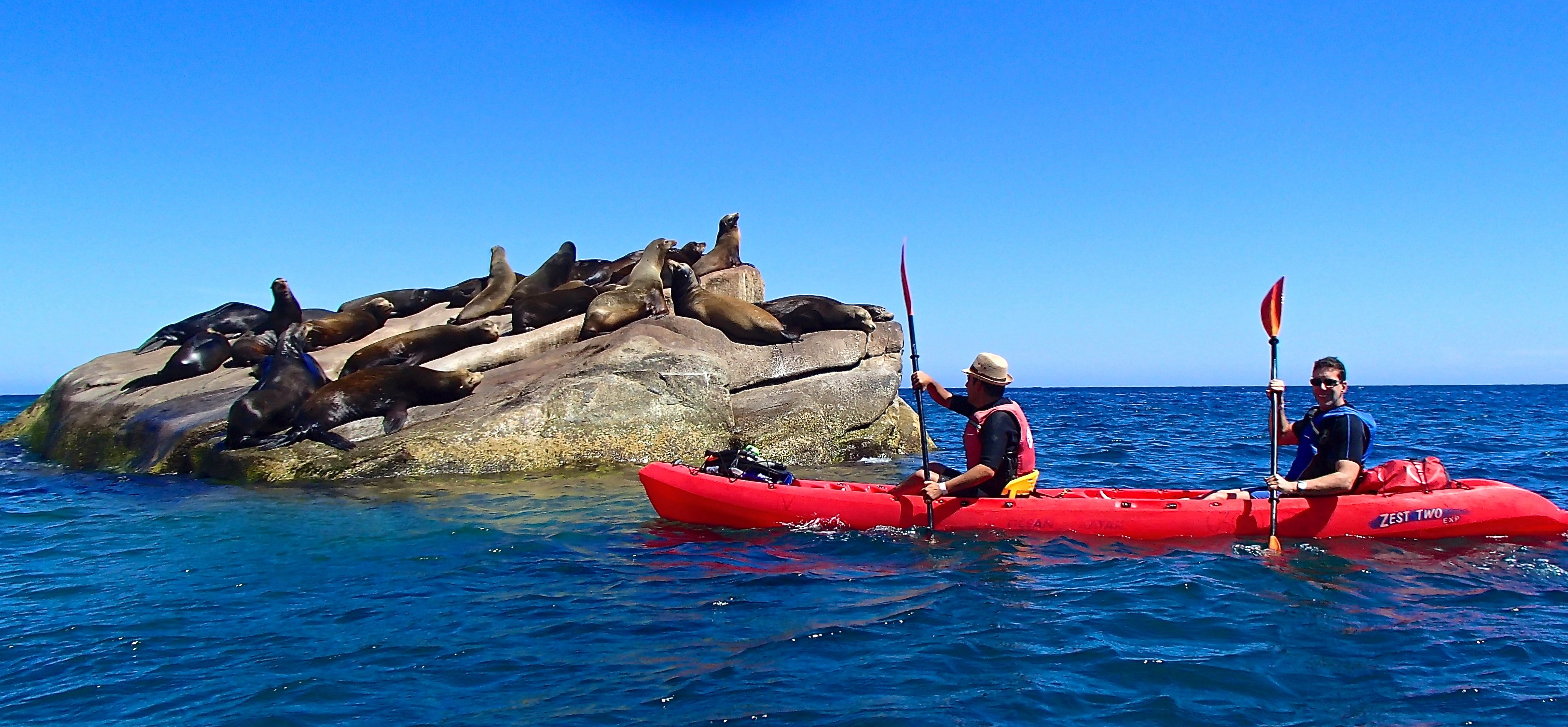
Paddle to a remote sea lion colony and snorkel North America's thriving coral reef sanctuary
Reserve
4 hr
Explore Baja's only living coral reef in a protected sanctuary teeming with rays, sea turtles, and vibrant tropical fish
ReservePrices from verified partners. Availability updates in real time at checkout. Free cancellation policies apply where shown.
The landmarks, rooms, and views travelers on this tour remember — all visible on a single visit.
A pinnacle famous for encounters with schooling jacks and bull sharks in Cabo Pulmo National Park.
A series of underwater rock formations hosting diverse coral and vibrant schools of reef fish.
A scenic area known for its shallow reef structure and exceptional clarity for underwater photography.
An intimate spot perfect for beginners to observe smaller marine species in calm conditions.
A popular site frequently visited during cabo pulmo diving packages for its accessible reef biodiversity.
Cabo Pulmo offers a pristine wilderness encounter, while Cabo San Lucas diving provides high-frequency access to iconic sea arches; most enthusiasts who prioritize marine health choose the former for their cabo pulmo diving packages tours.
| Feature | Top pick Cabo Pulmo | Cabo San Lucas |
|---|---|---|
Biodiversity |
High species richness | Moderate species variety |
Crowd Density |
Low boat traffic | High vessel volume |
Travel Time |
2–3 hours from Cabo | 15–30 minutes from marina |
Accessibility |
Remote coastal location | Direct hotel zone access |
Marine Protected Status |
UNESCO World Heritage Site | General recreational zones |
Skill Level Required |
Beginner to advanced | Beginner to professional |
| See tickets → |
Verdict: Select Cabo Pulmo diving packages if you seek an untouched ecosystem, whereas Cabo San Lucas diving packages tickets suit those favoring proximity and convenience.
Choose your ticket, select your date, and reserve in under two minutes. Secure checkout handled by our verified partner.
Instant confirmation by email, with a mobile voucher you can save offline. No printing, no queuing at a collection desk.
Arrive at the entrance, show your voucher on your phone, and walk in. Most tickets include priority or skip-the-line access.
Practical details for your visit straight from our verified partners — hours, access, rules, and how to get there.
Wear comfortable swimwear and UV-protective clothing for the desert sun. A rash guard is highly recommended for all cabo pulmo diving packages.
Travel light, as storage space on boats for cabo pulmo diving packages is limited. Keep all personal belongings secure and dry in waterproof bags.
Underwater photography is encouraged during cabo pulmo diving packages tours. Ensure your camera is housed in a professional waterproof case to protect the marine environment.
The village and marine sites have limited infrastructure for mobility assistance. Accessing boats for cabo pulmo diving packages requires physical agility.
Family-friendly cabo pulmo diving packages are available, though some sites are restricted to certified divers. Children should be comfortable in the water to fully enjoy the experience.
Bring sufficient water and snacks as local options in Cabo Pulmo are limited. Most all-inclusive cabo pulmo diving packages provide light refreshments.
Best time to go, insider tips, nearby landmarks, and the cancellation fine print — flip through to skim what matters to you.
Flexible, no hidden fees.
Full refunds are typically available for cancellations made within the operator's specified timeframe. Please verify if your booking includes the 125 MXN Conservation/entrance fee per person.
Cabo Pulmo National Park protects the only living hard coral reef on the western coast of North America, a 20,000-year-old ecosystem that spans 71 square kilometers of the Sea of Cortez. Declared a UNESCO World Heritage Site in 2005 as part of the Islands and Protected Areas of the Gulf of California, the reserve enforces a zero-extraction policy enacted in 1995 after local fishing families voted to end commercial harvest. Within three decades, biomass increased by 463 percent, transforming depleted shallows into one of the planet's most documented marine recovery zones. The reef structure rises from volcanic substrate between five and 25 meters depth, creating thermoclines that attract over 226 fish species, 11 shark species, manta rays with wingspans exceeding four meters, and seasonal aggregations of mobula rays that number in the thousands. Bull sharks patrol the outer walls from June through November. Humpback whales migrate through adjacent channels between January and March. The coral formations themselves — predominantly Pocillopora and Porites genera — grow at rates measurable in millimeters per year, making the visible colonies centuries old. Cabo Pulmo diving packages tours operate under strict permitting from Mexico's National Commission of Protected Natural Areas, with daily visitor caps enforced to prevent reef stress. Operators based in the village of Cabo Pulmo hold CONANP certification and maintain permanent moorings to eliminate anchor damage. The 125-peso conservation fee per person funds patrol boats and biological monitoring. Dive sites include El Bajo seamount, where schooling jacks form bait balls dense enough to obscure sunlight, and Los Morros, a boulder field where green sea turtles graze on algae alongside Cortez angelfish. Water temperature ranges from 22°C in winter to 30°C in summer, requiring 3mm to 5mm wetsuits depending on season. Visibility averages 15 to 30 meters, peaking in autumn and early winter when plankton blooms subside. The reef lies 100 kilometers north of Cabo San Lucas along a two-lane highway, with no fuel stations for the final 40 kilometers. The village itself maintains a population under 200, with no cell service and limited electrical infrastructure, preserving the isolation that enabled the fishery closure three decades prior.
"Within three decades, biomass increased by 463 percent, transforming depleted shallows into one of the planet's most documented marine recovery zones."
A step-by-step walkthrough of the visit — what you'll see, how long each stage takes, and the details that matter.
You depart Los Cabos before dawn, the highway cutting through cardón cactus forests as light breaks over the sierra. Two hours north, the village appears as a scatter of palapas above white sand, no pier, no harbor, just pangas pulled onto the beach. Your operator checks certification cards and assembles groups of six, loading tanks and weight belts while frigatebirds circle offshore. The panga ride takes 15 minutes. You backroll into 26-degree water at El Bajo, descending a mooring line to 18 meters. The seamount rises from sand, its flanks covered in gorgonians and brain coral. A school of bigeye jacks materializes from the blue, spiraling tighter as you fin toward the current line. Your guide signals left — a lone bull shark patrols the thermocline, its silhouette framed against downwelling light. You hold position, watching it pass within five meters before vanishing into the column. The second dive runs shallower at Los Morros, where boulder channels create swim-throughs filled with sergeant majors and king angelfish. A hawksbill turtle rests under a coral overhang, unbothered as you photograph from two meters. Fifty minutes of bottom time leaves you surface-interval hungry, the panga rocking as you strip gear and accept fresh mango. By noon you're back on shore, salt-crusted and depleted, the reef already preparing for tomorrow's permitted groups.
The entrance/conservation fee is 125 MXN per person. This fee supports the preservation of the reef at Cabo Pulmo National Park.
The best arrival window is 08:00–11:00 to ensure optimal water visibility and calmer sea conditions. Many cabo pulmo diving packages prioritize these early departures.
Yes, many local operators offer introductory experiences for those booking cabo pulmo diving packages. These often include shallow reef dives to explore the marine life.
Certification is required for certain advanced cabo pulmo diving packages, though some tours offer introductory sessions. Always check your specific booking requirements.
The 125 MXN conservation fee covers park access and helps fund the ranger programs and reef management at Cabo Pulmo National Park.
Yes, private groups can often arrange tailored cabo pulmo diving packages through local providers. This allows for a more personalized experience within the park.
Bring cash, reef-safe sunscreen, a towel, and hydration for your cabo pulmo diving packages outing. The area is remote with limited amenities.
The park is open daily from 08:00–18:00. This schedule applies to all visitors accessing the Cabo Pulmo National Park.
Access to Cabo Pulmo National Park is primarily by private or rental car. Most guests arrive via the road from San José del Cabo for their cabo pulmo diving packages.
While many cabo pulmo diving packages are family-friendly, minimum age requirements depend on the specific tour provider and depth of the dive sites.