
3 hr
Cabo Pulmo Snorkeling Adventure
Explore vibrant coral gardens and swim alongside sea turtles in this protected marine sanctuary
Reserve
Hand-picked by our editors — only the best 5 experiences from 12 reviewed.
Verified partners for every tour, free cancellation where available, and instant confirmation on every booking.
3 hr
Explore vibrant coral gardens and swim alongside sea turtles in this protected marine sanctuary
Reserve
8 hr 30 min
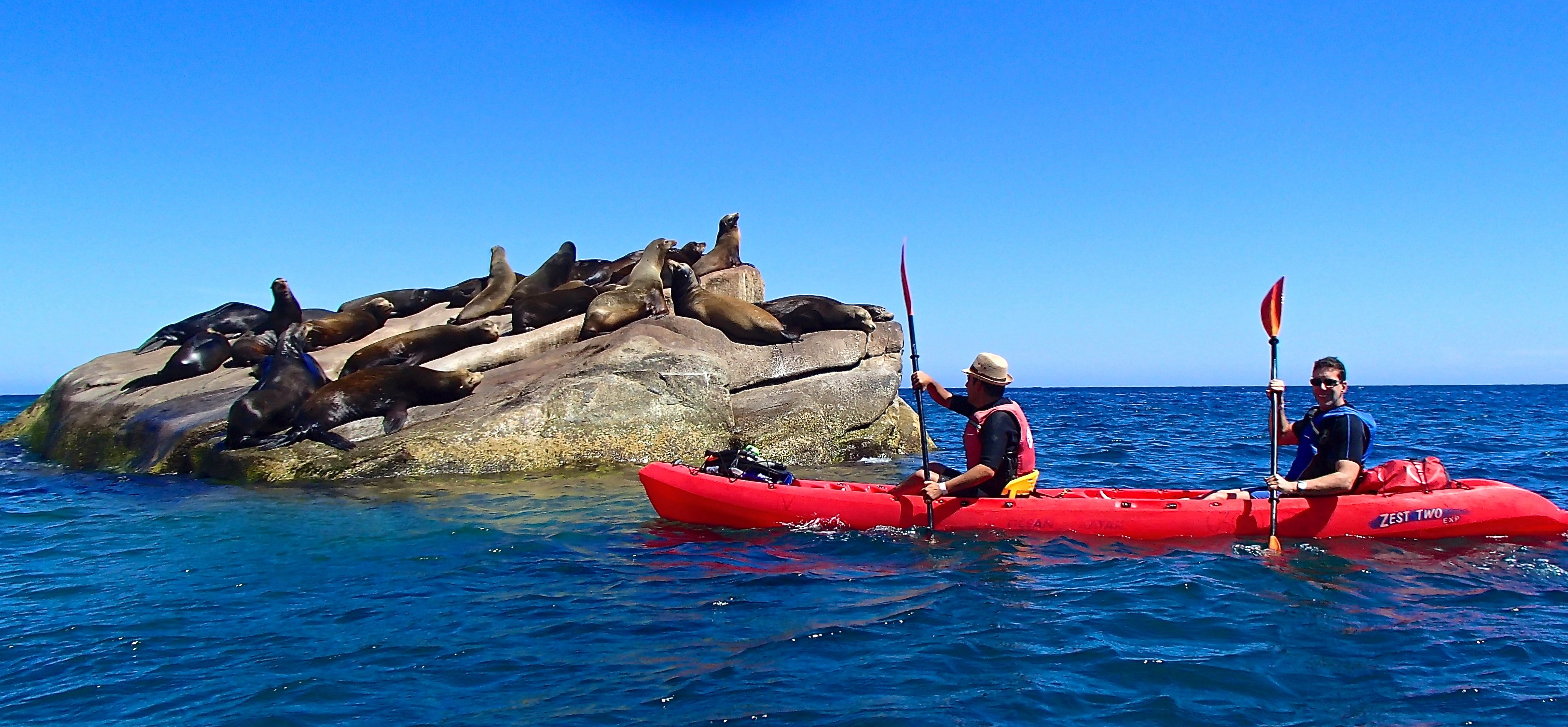
Paddle to a sea lion colony and snorkel North America's living coral reef on this full-day marine expedition
Reserve
9 hr
Full-day marine expedition in a protected Sea of Cortez sanctuary with gear, lunch, and round-trip transport
ReservePrices from verified partners. Availability updates in real time at checkout. Free cancellation policies apply where shown.
The landmarks, rooms, and views travelers on this tour remember — all visible on a single visit.
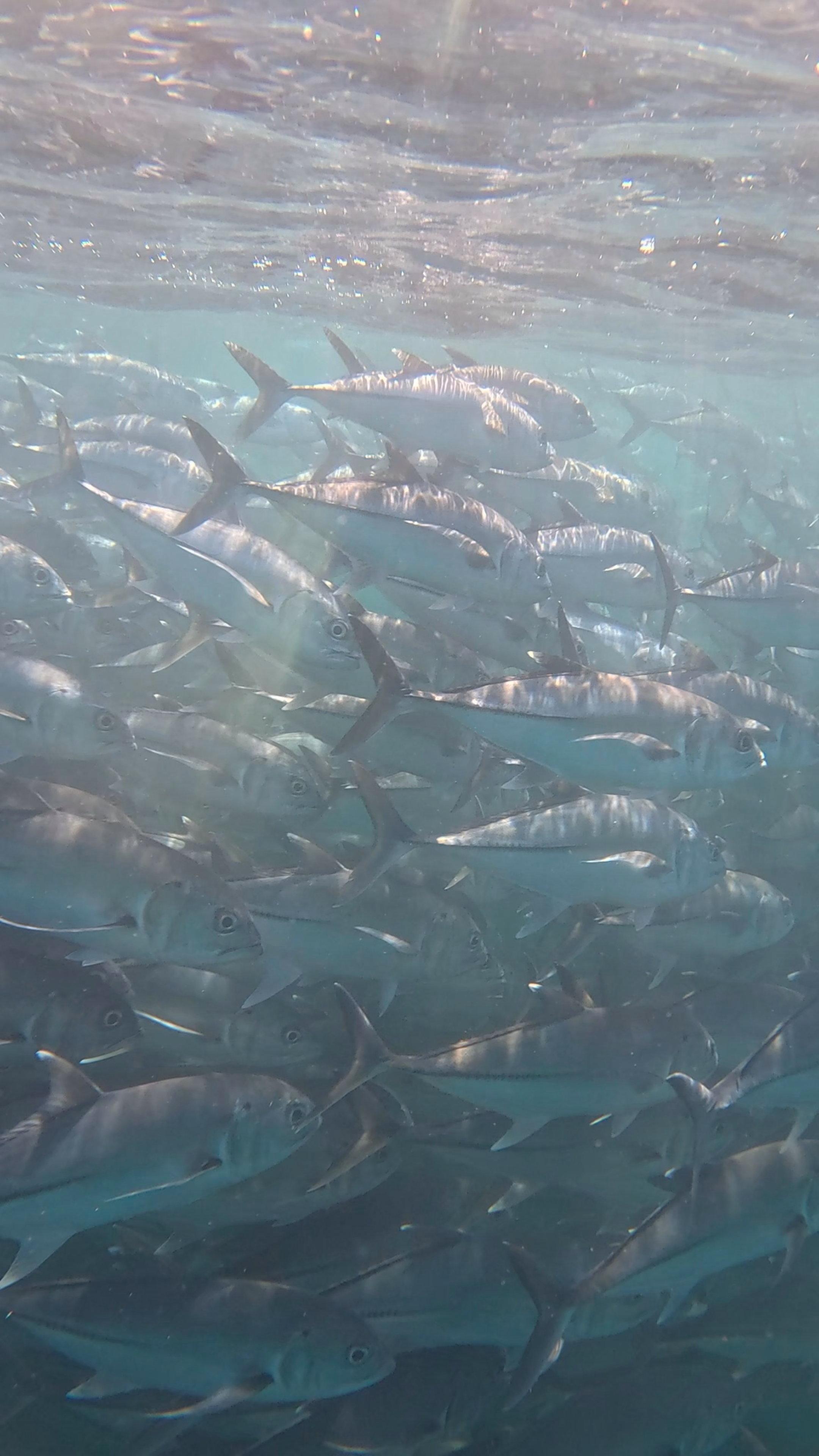
This underwater seamount is famous for schooling jacks and frequent sightings of large pelagic species. It is considered one of the deeper points for advanced snorkelers at 30 feet below the surface.
Known for its extensive coral formations, this site provides a habitat for various reef fish. The coral here has been protected since the park opened in 1995.
Located at the southern edge of the park, this bay offers calm waters ideal for beginner snorkelers. It is a common spot to see rays resting in the sandy shallows.
The remains of a historic vessel provide a structure that attracts diverse marine life to the area. It is a popular, shallow snorkeling stop within the park boundaries.
This site is home to a resident colony of California sea lions that often approach swimmers. It is a highlight of many Cabo Pulmo snorkeling tours during the cooler months.
Cabo Pulmo serves as a protected marine sanctuary, while Cabo San Lucas provides convenient, high-energy access; most visitors who prioritize biodiversity prefer the former for their cabo pulmo snorkeling tours.
| Feature | Top pick Cabo Pulmo | Cabo San Lucas |
|---|---|---|
Travel Time |
2–3 hours from Cabo San Lucas | 15–30 minutes from downtown |
Marine Life Density |
High biodiversity and large schools of fish | Moderate with focus on sea lion colonies |
Crowd Levels |
Low due to controlled visitor numbers | High volume of boat traffic |
Water Conditions |
Calm morning waters; high visibility | Subject to tides and heavy boat wakes |
Conservation Status |
Strictly regulated national marine park | Managed recreational use areas |
Accessibility |
Requires dedicated ground transport | Readily available via marina departure |
| See tickets → |
Verdict: For travelers seeking to secure their cabo pulmo snorkeling tours tickets, the choice rests on whether one prefers the raw, expansive reef life of a conservation area or the rapid, tour-heavy logistical ease found in a cabo pulmo snorkeling tours tour.
Choose your ticket, select your date, and reserve in under two minutes. Secure checkout handled by our verified partner.
Instant confirmation by email, with a mobile voucher you can save offline. No printing, no queuing at a collection desk.
Arrive at the entrance, show your voucher on your phone, and walk in. Most tickets include priority or skip-the-line access.
Practical details for your visit straight from our verified partners — hours, access, rules, and how to get there.
Cabo Pulmo, Baja California Sur, Mexico
Look for the branded operator shop sign
Follow the unpaved coastal access road from Highway 1
Arrange private transfer from San Jose del Cabo
Participants on Cabo Pulmo snorkeling tours should wear swimwear and rash guards to provide sun protection. A light windbreaker is recommended for the boat ride as air temperatures can drop when wet.
Storage space on boats used for Cabo Pulmo snorkeling tours is limited to dry bags and small personal items. Guests should keep valuables to a minimum and secure them with the tour operator during excursions.
Underwater cameras and GoPros are permitted on all Cabo Pulmo snorkeling tours to capture marine life. Please ensure all equipment is securely tethered to prevent accidental loss in the reef environment.
The remote nature of Cabo Pulmo snorkeling tours requires a moderate level of physical fitness to board small panga boats. Those with limited mobility should discuss boat boarding requirements with their operator in advance.
Mobile reception is intermittent throughout the Cabo Pulmo National Park area. Keep devices in waterproof cases if taking them on Cabo Pulmo snorkeling tours.
Cabo Pulmo snorkeling tours are appropriate for families with children who are comfortable in open water. Operators provide youth-sized life vests, though parents must remain within arm's reach of children at all times.
Most Cabo Pulmo snorkeling tours include bottled water and light snacks on board. We advise guests to eat a substantial meal before arrival as local dining options are limited in the village.
Pets are prohibited from participating in Cabo Pulmo snorkeling tours and should not be left unattended on the beach. Please arrange local pet sitting if traveling with animals.
As part of a protected marine area, Cabo Pulmo snorkeling tours operators enforce strict no-touch policies regarding coral and marine wildlife. Visitors must pay the 125 MXN conservation fee as required by the park authorities.
Cabo Pulmo, Baja California Sur, Mexico
Look for the branded operator shop sign
Get directionsBest time to go, insider tips, nearby landmarks, and the cancellation fine print — flip through to skim what matters to you.
How crowds, weather, and events shift across the year.
March to May offers pleasant water temperatures near 75°F. Visibility remains high as afternoon winds stay relatively light.
June to September brings warmer water up to 82°F. This is ideal for those who prefer comfortable swimming conditions for Cabo Pulmo snorkeling tours.
October and November provide warm water and fewer tourists. This season is perfect for booking private Cabo Pulmo snorkeling tours.
December to February features cooler water temperatures and higher chances of seeing migrating whales. Morning winds can be stronger, making early arrival critical.
Small details that turn a good visit into a great one.
Arrive between 08:00 and 11:00 to ensure the best visibility before afternoon wind patterns arise. This provides the calmest conditions for your Cabo Pulmo snorkeling tours.
Regular sunscreen contains chemicals that damage coral. Use only zinc-based or titanium-based products to comply with national park rules.
The desert climate near Cabo Pulmo snorkeling tours locations is extremely drying. Carry a reusable water bottle to maintain hydration between boat sessions.
The number of boats allowed in the park is strictly limited. Reserve your Cabo Pulmo snorkeling tours tickets weeks before your planned trip.
The marine life is protected, and guides are trained to locate specific species while maintaining distance. Do not attempt to feed or touch the wildlife.
Non-bookable sights within a short walk — free to visit, easy to pair.
A quiet beach area known for accessible shore entry. It serves as a secondary entry point for those avoiding boat tours.
A small, off-grid community that serves as the base for all local excursions. It offers a glimpse into sustainable coastal living.
A high point offering panoramic views of the Sea of Cortez. It is best visited during early morning light.
Flexible, no hidden fees.
Full refunds are provided for cancellations made at least 48 hours prior to the scheduled departure. The 125 MXN conservation fee may be non-refundable depending on the specific tour operator policy.
Hand-picked options within walking distance — pick a district for vibe, or a specific hotel for convenience.
Features eco-friendly villas and basic amenities.
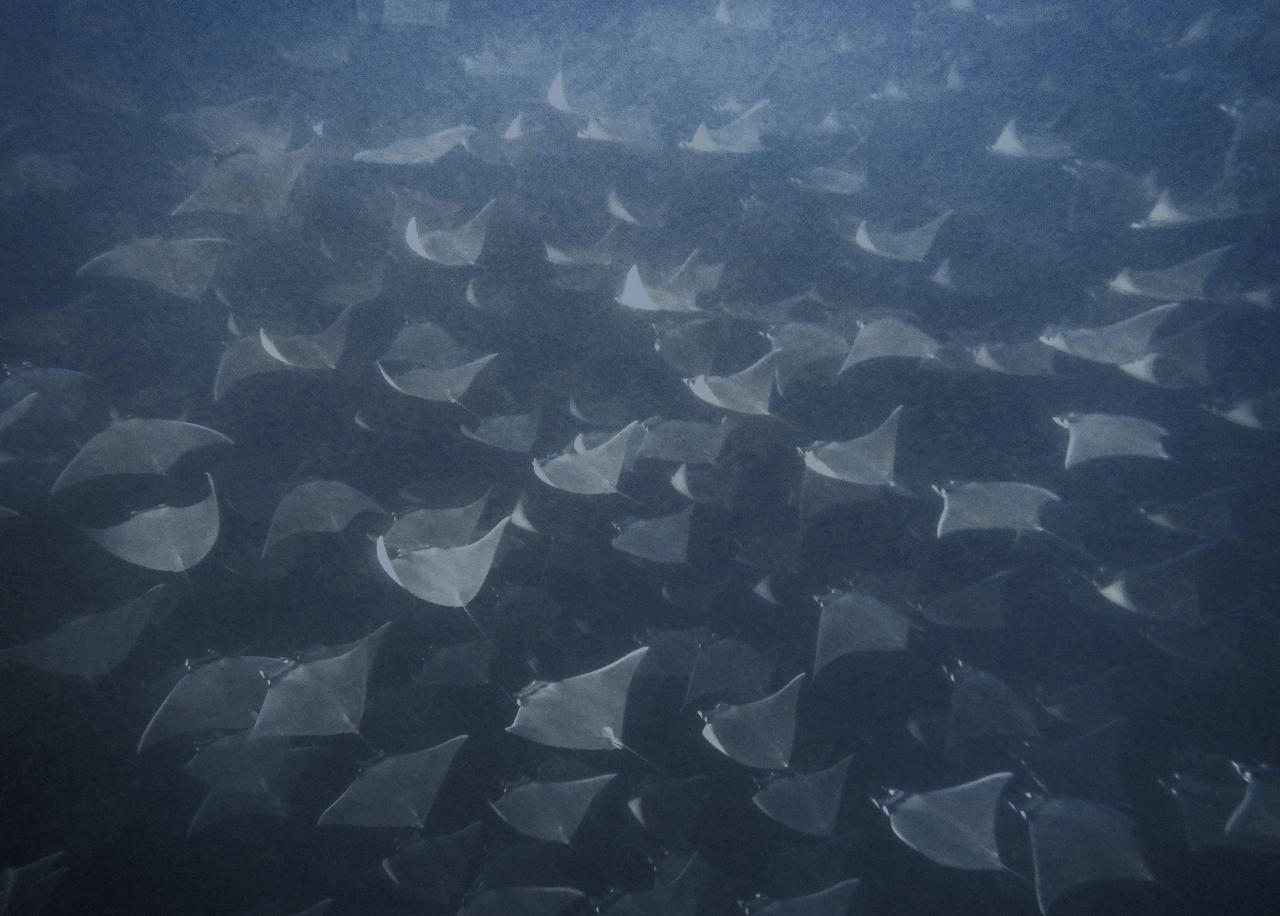
Cabo Pulmo National Park protects the only living hard coral reef on North America's western coast — a 20,000-year-old formation that nearly died in the 1980s and has since regenerated into one of the hemisphere's most biodiverse marine zones. The reef system spans eight fingers of coral ridge running parallel to the shore, each harboring distinct microclimates where water temperature, current strength, and substrate composition create specialized habitats for over 226 fish species. Commercial fishing bans enacted in 1995 allowed biomass to increase by more than 460 percent within two decades, a recovery rate marine biologists cite as the fastest ever documented in a protected reef system. The park's ecological significance extends beyond coral: seasonal aggregations of bull sharks, mobula rays, and scalloped hammerheads pass through channels between the reef fingers, while resident populations of goliath grouper — some exceeding 180 kilograms — patrol the deeper ledges. Visibility ranges from 15 to 30 meters depending on tidal phase and wind conditions, with morning hours offering the calmest water before easterly afternoon winds typical of the Sea of Cortez stir surface chop. The reef structure itself rises abruptly from sand flats at 12 meters, creating walls and swim-throughs where black coral, gorgonians, and hard corals compete for substrate. Cabo pulmo snorkeling tours operate under strict park regulations: no touching coral, no feeding fish, no sunscreen containing oxybenzone or octinoxate. The conservation fee of 125 pesos per visitor funds patrol boats, mooring buoy maintenance, and biological monitoring programs conducted by Universidad Autónoma de Baja California Sur. Operators anchor at designated mooring sites to prevent anchor damage, and group sizes remain capped at twelve snorkelers per guide to minimize disturbance to nesting sites along the reef's shallower sections. The village of Cabo Pulmo, population fewer than 200, functions as the park's gateway. Family-run dive shops that once harvested the reef now lead guided snorkeling and scuba excursions, a transition that transformed the local economy while preserving the ecosystem. The result is a working model of marine conservation — a place where former fishermen teach visitors to identify parrotfish grazing patterns and juvenile jacks schooling in mangrove roots, demonstrating that protection and economic viability need not conflict.
"Biomass increased by more than 460 percent within two decades — the fastest recovery rate ever documented in a protected reef system."
A step-by-step walkthrough of the visit — what you'll see, how long each stage takes, and the details that matter.
You depart the village beach at 08:00, when morning light penetrates the water column at its steepest angle and eastern winds have not yet built surface texture. Your guide motors south along the coastline for twelve minutes, passing rocky points where frigate birds roost, then cuts the engine at a mooring buoy marking the outer reef edge. You slip into 26-degree water, adjusting your mask as the sandy bottom 12 meters below comes into focus through crystalline visibility. You swim toward the reef wall, where the bottom rises abruptly into terraced coral platforms. Sergeant majors and king angelfish move through staghorn branches. Your guide points to a school of jacks circling a bommie — a coral column rising three meters from the substrate — then motions toward deeper water where a shape resolves into a two-meter bull shark gliding along the reef face. You hover at the surface, controlling your breath, watching the shark pass beneath you with slow tail sweeps. You follow the reef's contour north for 35 minutes, pausing at a cleaning station where yellowtail surgeonfish attend to a green sea turtle. Your guide signals toward the shallows: a school of golden cownose rays moves over the sand flat in synchronized formation. You surface near the mooring line as the water begins to churn with the first afternoon breeze, the reef behind you still visible through 20 meters of translucent blue.
Cabo Pulmo National Park is open daily from 08:00–18:00. This schedule accommodates all morning and afternoon excursions.
Yes, every visitor must pay a 125 MXN conservation fee upon entry to the park. This fee is mandatory for all guests participating in Cabo Pulmo snorkeling tours.
The best arrival window is 08:00–11:00. Arriving during these hours ensures you experience calmer morning waters and better visibility before afternoon winds.
Yes, children are welcome on Cabo Pulmo snorkeling tours provided they are comfortable in the water. Please check with your specific operator regarding age requirements and safety gear.
Prohibited items on Cabo Pulmo snorkeling tours include non-reef-safe sunscreen, drones, and glass containers. Please see the full list in our practical information section.
Photography is encouraged on Cabo Pulmo snorkeling tours to document the marine biodiversity. Ensure your camera is securely attached to avoid dropping equipment into the protected reef area.
Most operators include masks, snorkels, and fins in the price of Cabo Pulmo snorkeling tours. If you have specific personal gear you prefer, confirm with your operator beforehand.
The site is located in Cabo Pulmo, Baja California Sur, Mexico, and is best accessed by rental car or private taxi. Public transport does not reach the village directly.
You can receive a full refund if you cancel your Cabo Pulmo snorkeling tours booking at least 48 hours in advance. Always confirm the policy at the time of booking to ensure compliance with the conservation fee rules.