
English| EUR
Suggested for you
More currencies
Choose a language
Cabo Pulmo protects 71 square kilometers of the Gulf of California's most biodiverse coral reef system. Access to the marine reserve requires an entrance fee and follows park hours designed to balance visitor experience with ecosystem protection. This guide covers what you need to know before your snorkeling visit.
Quick answer
Cabo Pulmo National Park snorkeling is available daily from 08:00 to 18:00, with a 125 MXN per-person conservation fee collected at the park office. Morning arrivals between 08:00 and 11:00 typically offer calmer water conditions and clearer visibility before afternoon winds arrive. The park operates year-round with no seasonal closures, though winter months bring cooler water temperatures and occasional norte weather systems.
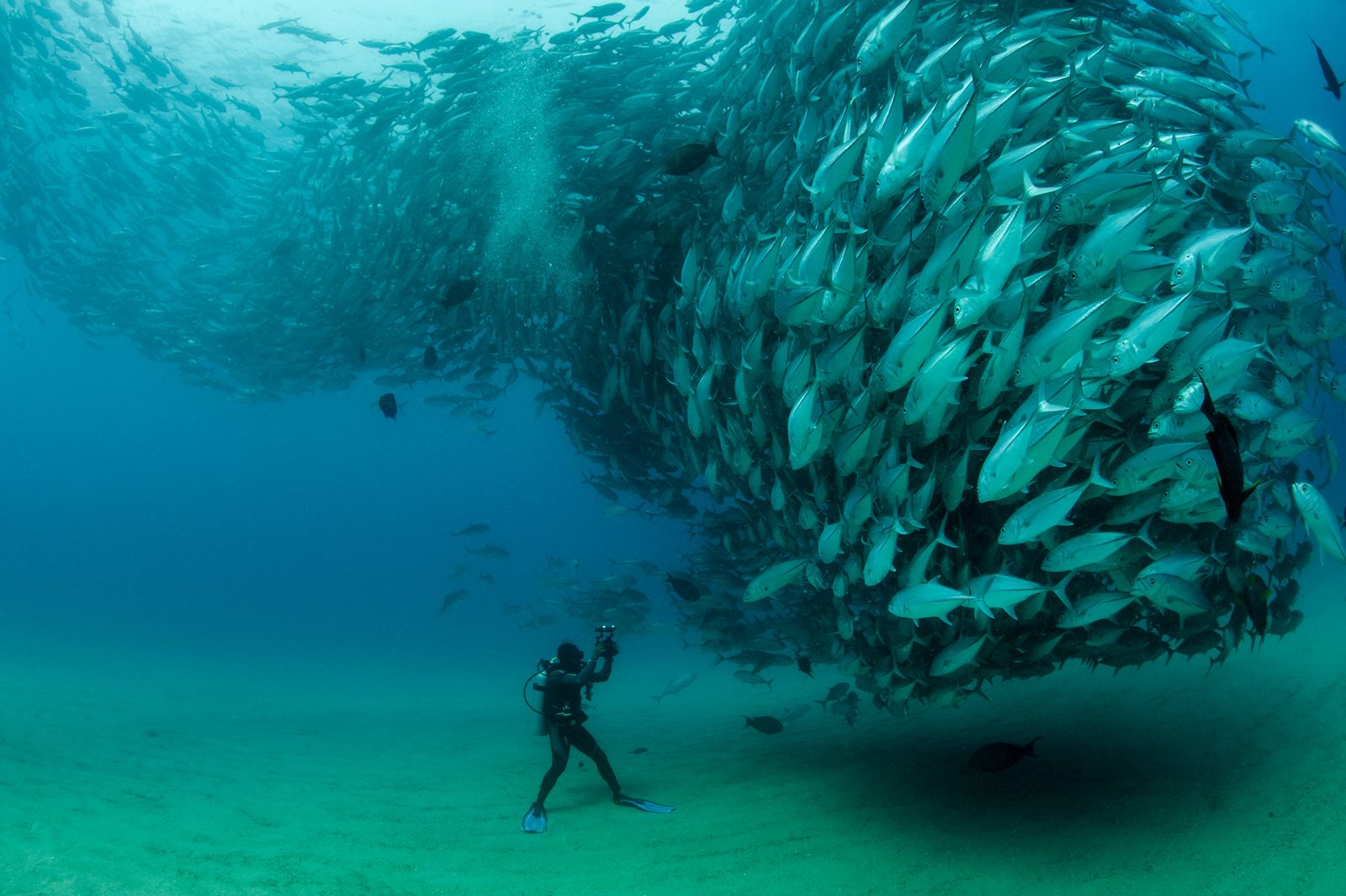
The Sea of Cortez holds more than 900 fish species, and Cabo Pulmo's reef system supports roughly one-third of them within a relatively compact area. This concentration exists because the park enforces a strict no-take policy established in 1995, allowing biomass to increase by more than 460 percent over three decades. The result is a snorkeling environment where schools of jacks, groupers, and rays move through shallow water close enough to observe without specialized equipment. Cabo Pulmo National Park snorkeling takes place across eight designated reef fingers that run perpendicular to the coastline, each named and mapped by local guides. Water depth over these formations ranges from two to ten meters, with the shallowest sections accessible directly from shore. The park's eastern exposure to the Gulf means that morning hours deliver the most stable surface conditions, while afternoon thermal winds—locally called coromuel—create chop that reduces underwater visibility and makes surface swimming more challenging. The marine reserve operates as a community-managed protected area, meaning entrance fees fund both patrol operations and local livelihoods. All snorkeling within park boundaries requires registration at the office on Calle Juan Castro, where staff log visitor numbers and collect the conservation fee. This system allows the park to monitor reef usage and adjust access if certain sites show stress. The office also serves as the coordination point for guided snorkel trips, which most visitors arrange in advance through local cooperatives. Sea surface temperature follows a predictable annual cycle, ranging from 21°C in February to 30°C in September. Winter snorkeling requires at least a 3mm wetsuit for thermal comfort during extended immersion, while summer months allow for skin suits or rash guards. Visibility shifts with seasonal plankton blooms—spring upwelling events in April and May can temporarily reduce clarity to five meters, while fall and winter often deliver fifteen-meter sight lines. These natural fluctuations mean that cabo pulmo national park snorkeling conditions vary more by week than by hour, making local weather checks essential before committing to a specific visit date.
“Biomass increased by more than 460 percent over three decades under the no-take policy, creating one of the densest fish populations in the eastern Pacific.”
The best arrival window is 08:00–11:00, as this period offers calmer seas and better visibility before afternoon winds typically pick up. Planning your visit during the spring or autumn shoulder seasons provides the optimal balance of water temperature and marine activity.
—
Reduced vessel traffic and smaller groups enhance the snorkeling experience during these early hours.
Warm water (24–26°C); clear visibility
High visibility periods allow for optimal observation of reef inhabitants.
Warm water (25–28°C); calm seas
Water temperatures remain high following the summer, and sea conditions are generally stable.
Verdict: For the best conditions, plan for a weekday morning arrival between 08:00–11:00 during the months of May, June, October, or November.
Cabo Pulmo National Park is open daily to support snorkeling and other permitted marine activities.
Cabo Pulmo National Park is located on the East Cape of the Baja California Peninsula, approximately 100 kilometers north of San José del Cabo. Due to the park's remote location, a private vehicle or pre-arranged shuttle is the most practical method of transport.
Highway 1 to Camino Cabo Pulmo (dirt road)
Private hire from San José del Cabo
Pre-booked transport from La Ribera or Los Cabos
The final stretch to the park involves driving on unpaved roads, so a high-clearance vehicle is recommended. Ensure you confirm your transport logistics in advance, as public transit does not reach the park entrance.
Bring reef-safe gear and prepare for limited facilities in this remote marine reserve.
Everything you need to know about cabo pulmo national park snorkeling
Yes, many shallow areas are accessible for beginners, though conditions vary by site. It is recommended to book with a professional guide to ensure safety and access to the best marine habitats.
The best arrival window is 08:00–11:00 to experience calmer seas and better visibility. Afternoon winds often pick up later in the day, which can decrease water clarity for your Cabo Pulmo underwater experience.
Yes, all visitors must pay a 125 MXN conservation fee per person. This fee supports the ongoing protection of the local ecosystem and its diverse marine life.
Visitors must avoid touching coral, maintain distance from sea life, and use only biodegradable sunscreen. These protocols help preserve the delicate biodiversity of the protected area.
While some visitors bring their own equipment, local operators provide high-quality snorkeling gear tailored for the region. Ensuring your equipment is well-maintained is essential for a comfortable session in the water.
The park is home to diverse species such as jack fish, sea turtles, and occasionally sea lions. Exploring these vibrant reefs allows you to witness the success of community-led marine conservation efforts.